
How to bring robots to your event
It's not like just putting a robot there will attract people. No matter what happens in planning, preparation, or operation on the day, it won't turn out the way you expected.
First, decide what to do
When deciding to use a robot at an event, the first thing to decide is not the model, but the role. Will they greet visitors, stand on stage, take pictures with them, or explain the products to them? The required functions vary depending on the role.
At the same time, decide what will be considered a success. Is it the number of people stopping by, the number of photos taken, or the number of business cards obtained? If this is not determined, it will not be possible to evaluate the event beyond ``I feel like it was exciting'' after the event is over.
Once you have determined your role and definition of success, selecting an robot is not difficult. On the other hand, if you are vague about this and decide on the robot first, you will have nothing to do on the day and it will become a figurine.
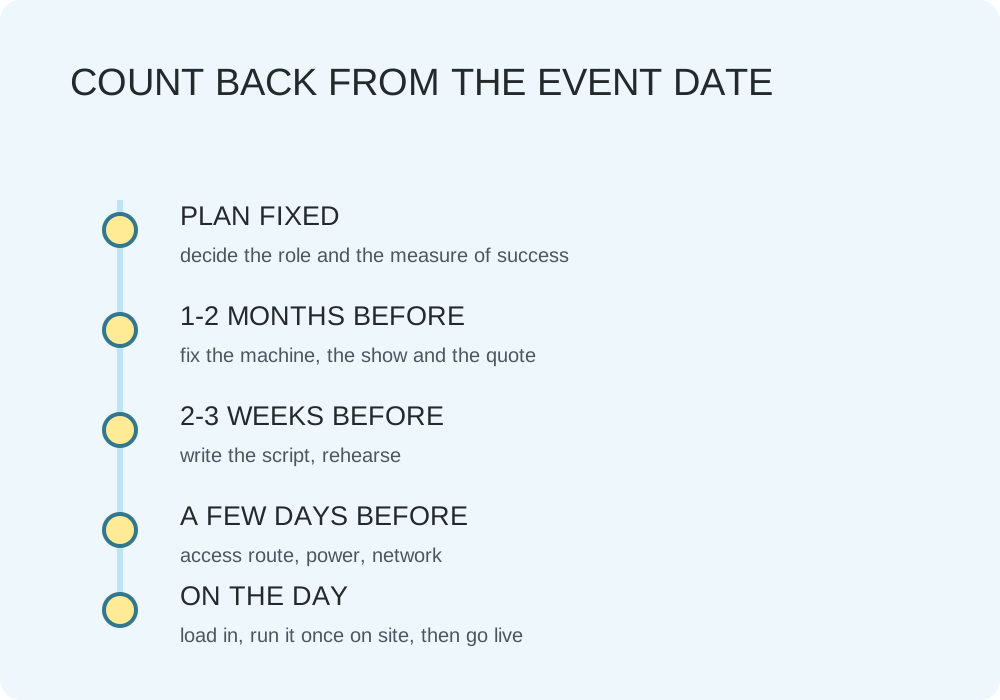
The schedule is calculated backwards from the session date.
| period | things to do |
|---|---|
| When the plan was decided | We decide on roles and success indicators and begin consultations. Checking robot availability is also done at this stage. |
| 1-2 months before the session | We will confirm the robot and performance details and finalize the estimate. You can also check the venue regulations here. |
| 2-3 weeks before the session | We will design the content to be spoken, the movements, and the staff's behavior. Rehearse as necessary. |
| A few days before the session | Final confirmation of delivery route, power supply, and network. Decide on the communication system for the day. |
| The day before to the day | Delivery, setup, and operation confirmation. Be sure to run it once at the actual venue before the actual performance. |
| After the session | Organize reactions and issues. This will serve as a basis for deciding your next project or permanent installation. |
Check venue conditions early
- Delivery route
- Elevator dimensions, steps, and aisle widths. Life-sized robot may not be able to enter depending on the route.
- power supply
- Is it possible to secure a power source for charging? Check location and capacity.
- network
- This is essential if you want to use remote control or dialogue. Shared lines at the venue can be busy, so a dedicated line may be required.
- floor surface
- Carpets, steps, slopes. Moving it will affect the robot's driving performance.
- Installation space
- In addition to the space occupied by the robot itself, it requires room for visitors to stand and distance for safety.
- Organizer's regulations
- For exhibitions, etc., there are regulations regarding delivery times and setup methods. In some cases, an application may be required.
Make the performance “short and repeatable”
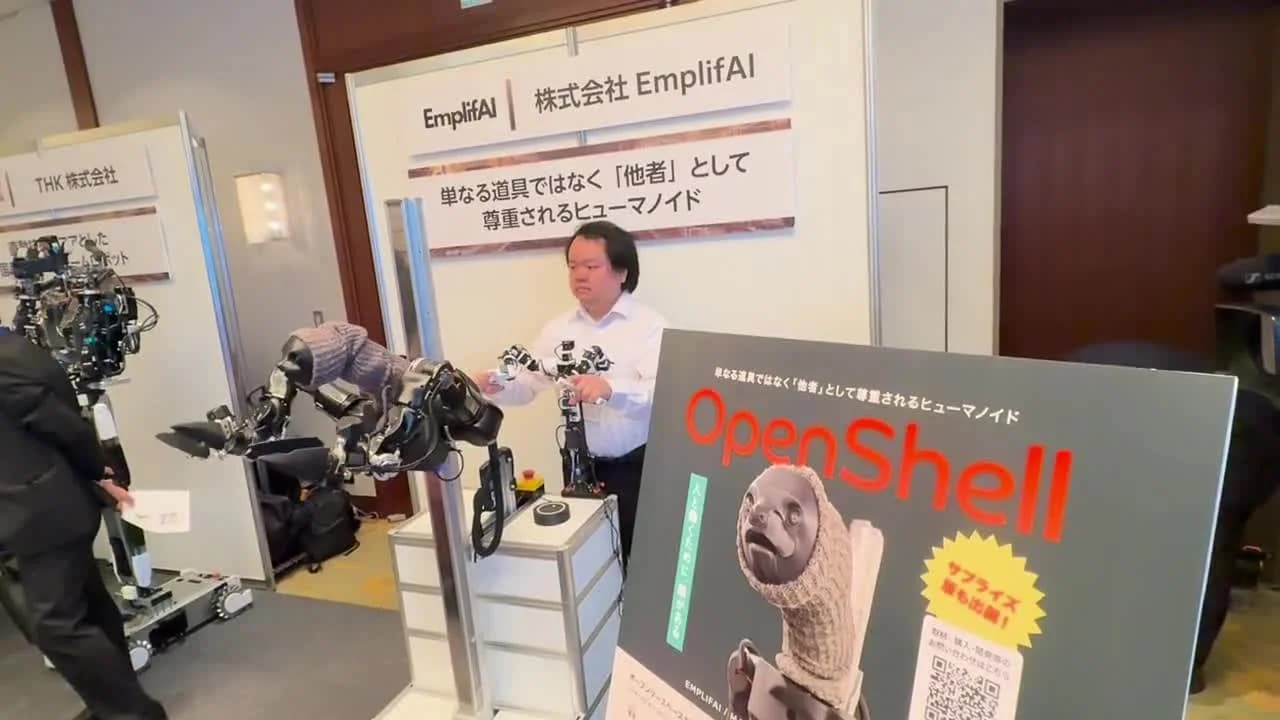
Event attendees only stop for short periods of time, and many leave within a few tens of seconds. Even if you put together a long series of productions, people won't watch it until the end.
What works best is a series of short actions and conversations. No matter when a person passing by stops and stops, the content should be based on that point.
Guest satisfaction is more stable when staff respond remotely rather than fully automating conversations. This is because unexpected questions will always come up. It is safer to design a system that combines automatic and remote systems, with people handling important situations.
common mistakes
- Not running it at the venue before the performance
- This is the most common failure. Lighting, flooring, networking, and noise differ from venue to venue. Be sure to move it once on-site.
- role has not been decided
- I've just arranged the robot and haven't decided what to do on the day. It becomes a figurine and the investment cannot be recovered.
- There is no one to operate it
- If you don't decide who will be in charge of starting up, charging, and troubleshooting, the event will stop midway through the session.
- No measures against noise
- Audio cannot be heard in a busy venue. A design that combines screen displays and gestures is required.
- no margin for safety
- If there are too many visitors, the robot will not be able to move. From the beginning, consider a layout that will allow you to maintain distance.
Frequently asked questions
How far in advance should I consult?
Since it takes time to confirm the venue conditions and prepare the performance, it is ideal to consult with us once the date has been decided. It also depends on robot availability. It doesn't matter if the plan is not finalized yet.
Can you leave the operation to me on the day?
Yes. We handle everything from delivery and setup to operation and removal. You can also consult with us about arranging operating staff.
Can it be used at outdoor events?
Depends on the robot and weather conditions. There are restrictions on operation in rainy weather or on uneven terrain, so we will ask you about the venue conditions and then suggest the robot that can be used and how to operate it.
How much budget should I look at?
It varies depending on the robot, period, location, and scope of operational support required. Please let us know the date, location, and what you would like to do and we will give you a quote. If you have decided on a budget in advance, we can also make proposals within that range.
Consultation on robot usage at events
Please let us know the date, venue, and content of the event. We will make proposals that include arranging the robot, designing the performance, and operating the event on the day.
Consult about use at events